Introduction
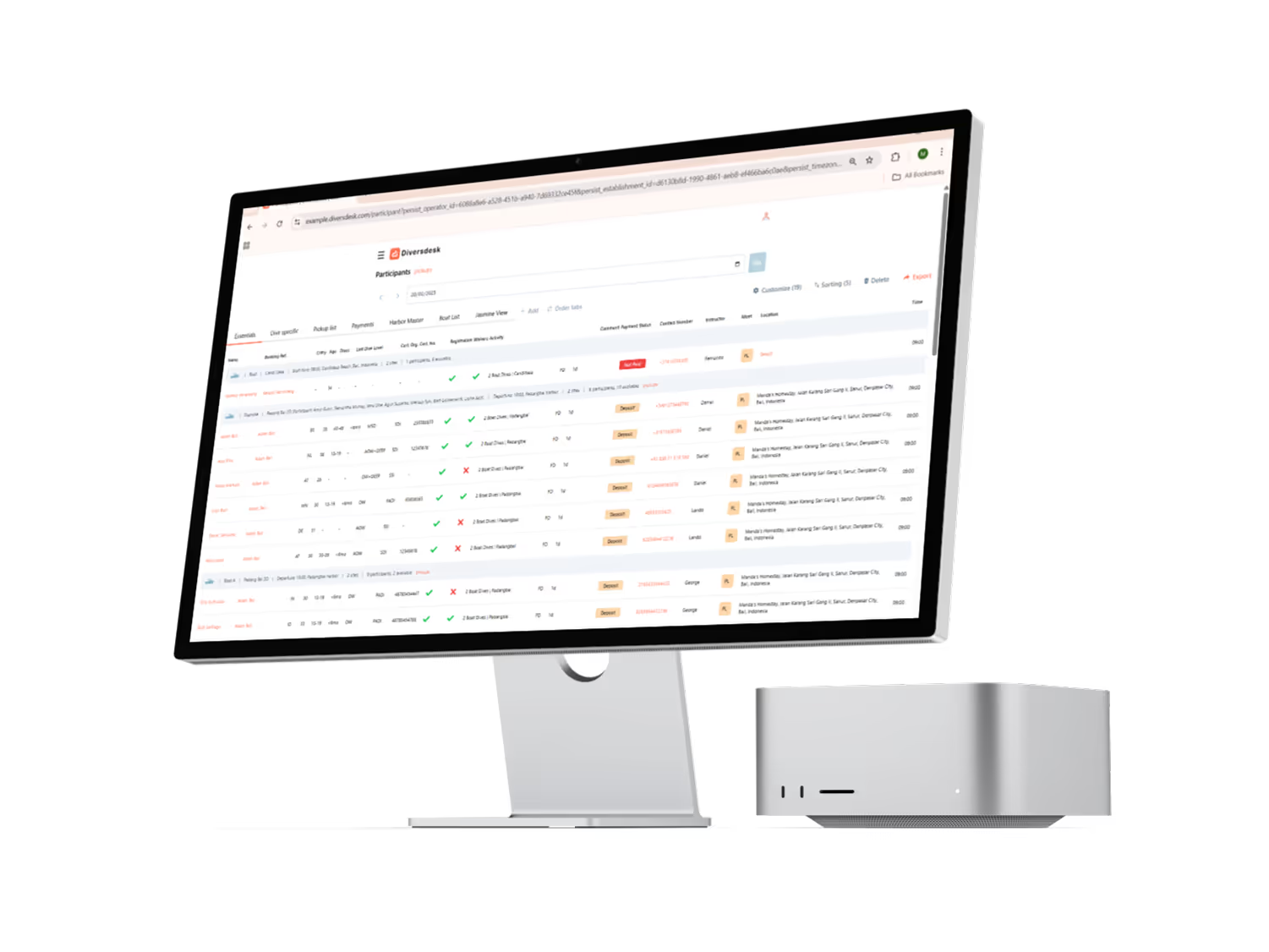
Diversdesk is commonly used by dive centres and dive resorts, but it can also support liveaboard operations. In my experience, a liveaboard may work differently from a land-based dive centre, but the core operational needs are quite similar. Operators still need to manage guests, accommodation, activities, payments, rental equipment, waivers, and schedules.
In my view, as Diversdesk brings all these features together, it can handle most of what a liveaboard needs in one system. Instead of using one system for cabin bookings, another tool for waivers, a spreadsheet for rental equipment, and separate documents for trip planning, most of the operation can be managed from one place.
Why Liveaboards Need More Than a Booking System
A liveaboard booking usually involves much more than reserving a cabin. Guests may also book several days of diving, rental equipment, Nitrox, courses, transfers, marine park fees, and other extras. That means a standard booking platform may only cover part of the process. It can manage the reservation and payment, while the operator still needs separate tools for certifications, equipment sizes, medical details, waivers, and the daily dive schedule.
For liveaboards, accommodation and diving operations need to stay connected. The cabin, guest details, payment, rental gear, and trip itinerary are all part of the same booking.
Manage Cabins and Accommodation
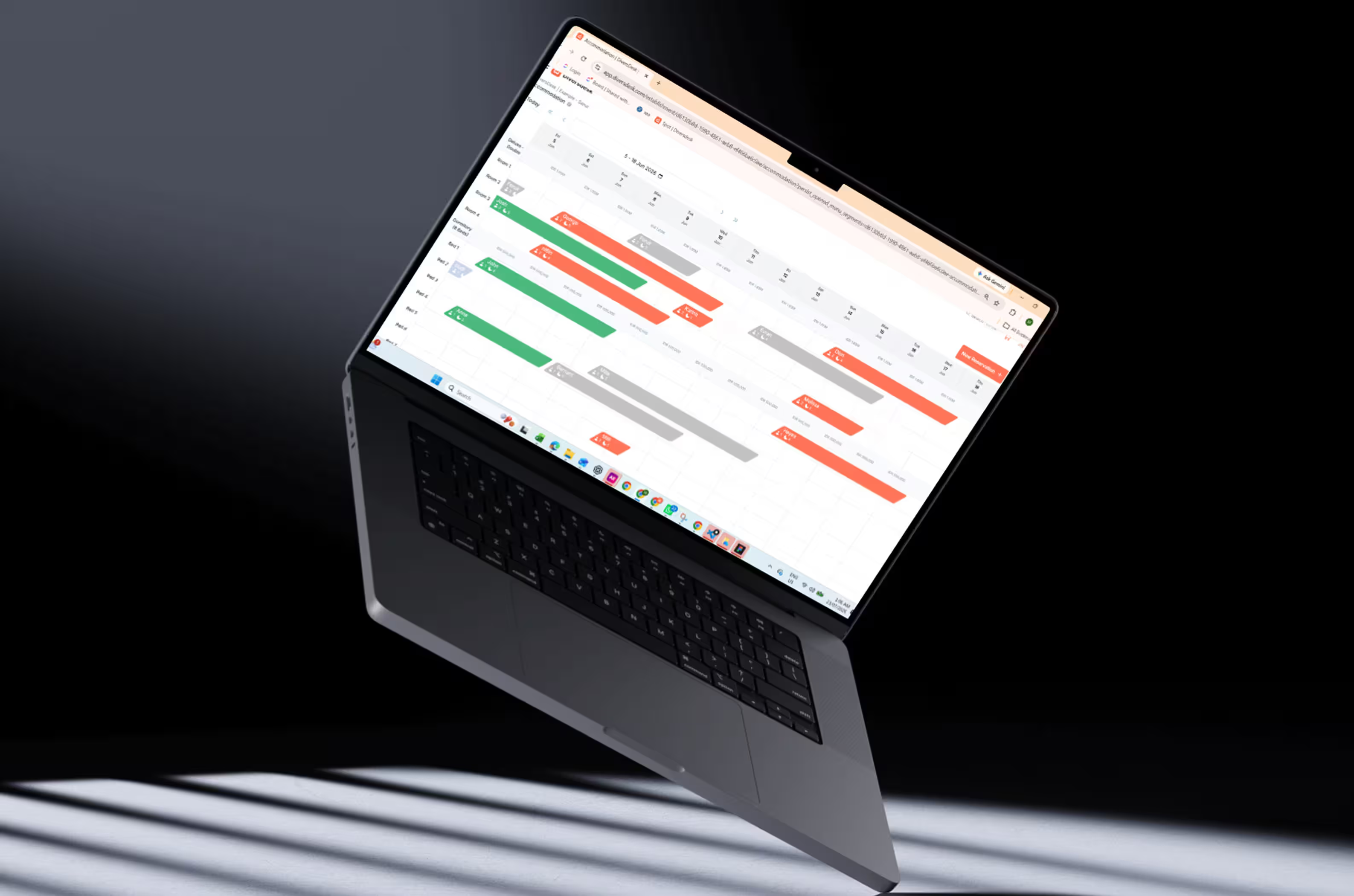
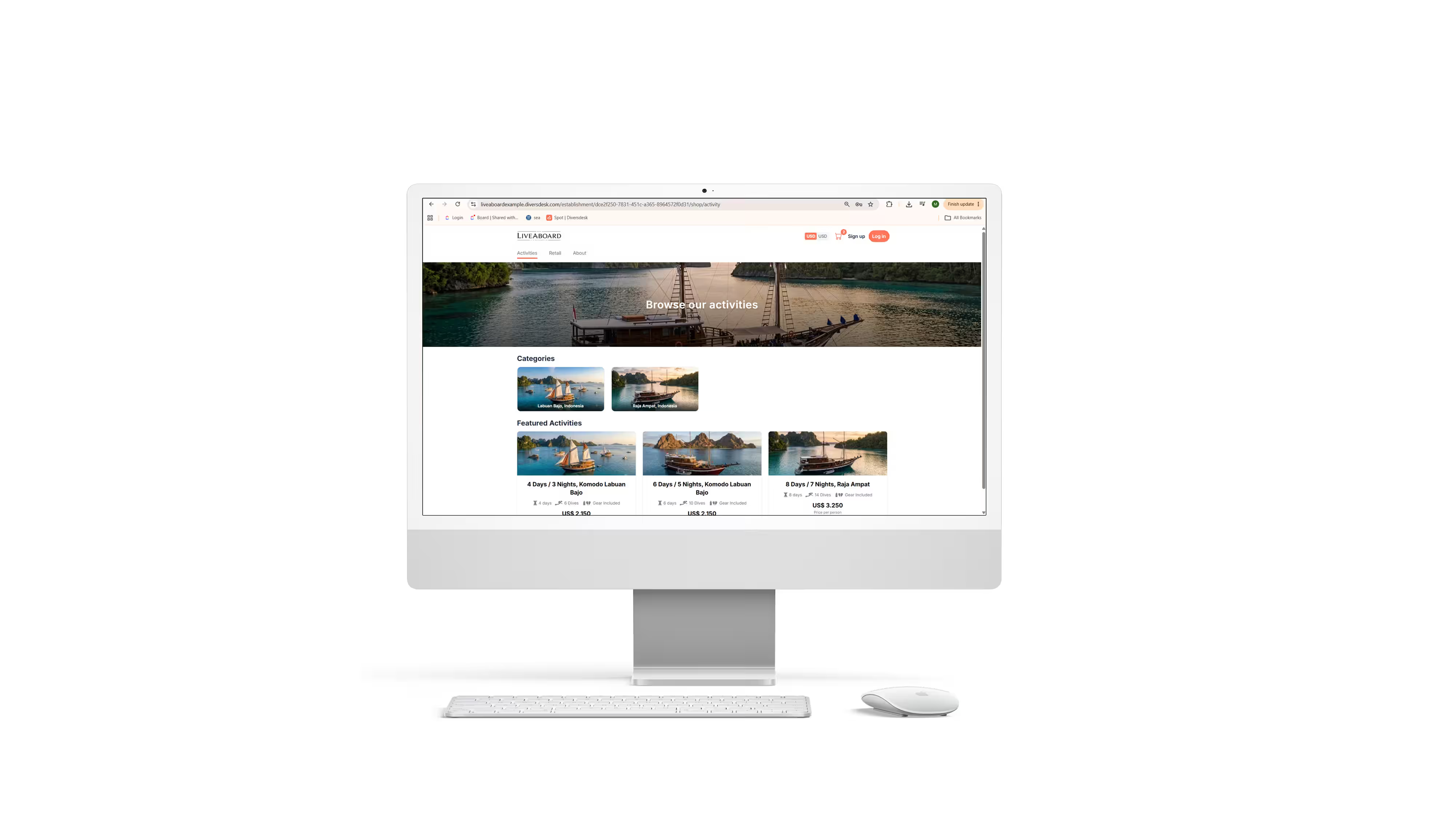
With the accommodation feature in Diversdesk, liveaboard operators can create different cabin types and occupancy options. The accommodation can be connected to the guest’s activity or trip booking, making it easier to sell a complete liveaboard package. Guests can select their cabin and diving package within the same booking journey instead of completing separate reservations.
Operators can also add pricing rules, which gives them more flexibility to adjust accommodation prices based on factors such as season, occupancy, weekends, or specific travel dates. This makes it easier to manage price changes without creating a completely separate package each time.
This accommodation feature also gives the team a clearer overview of who is staying in each cabin, which package they selected in just few clicks.
Accept Online Bookings and Payments
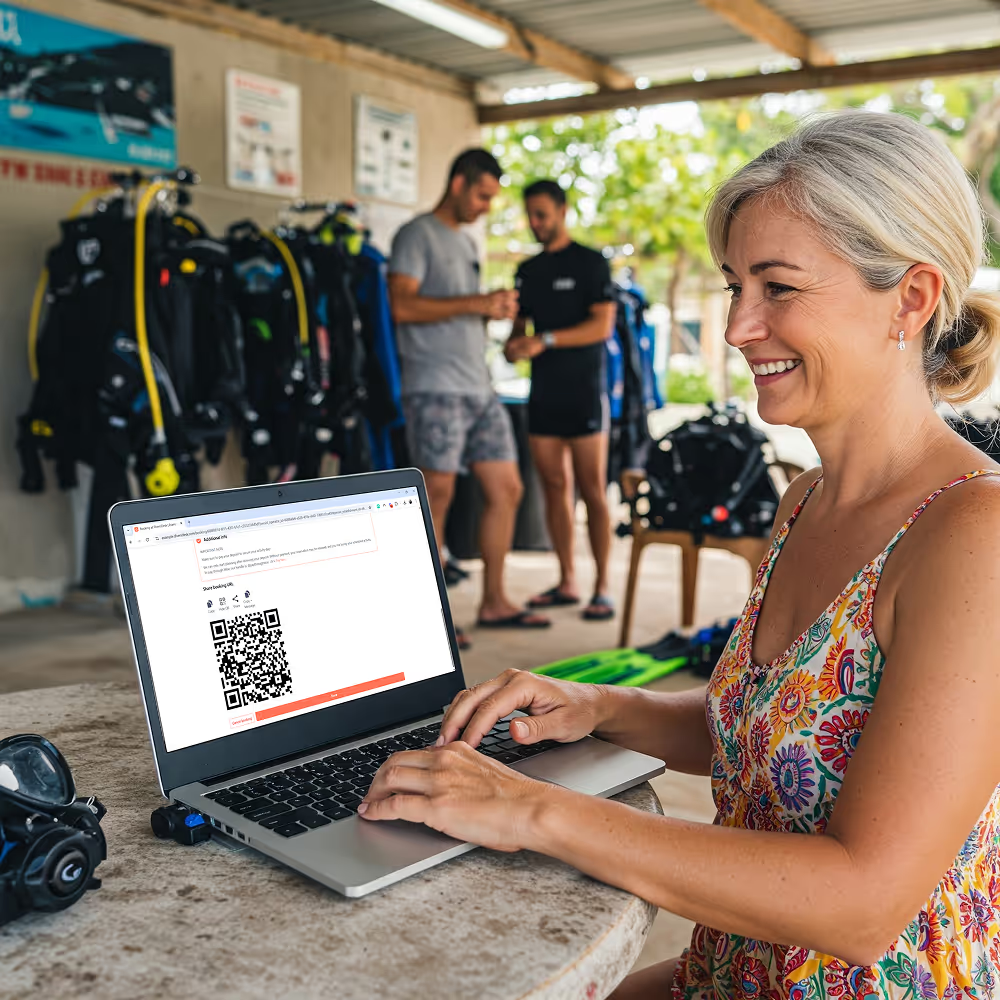
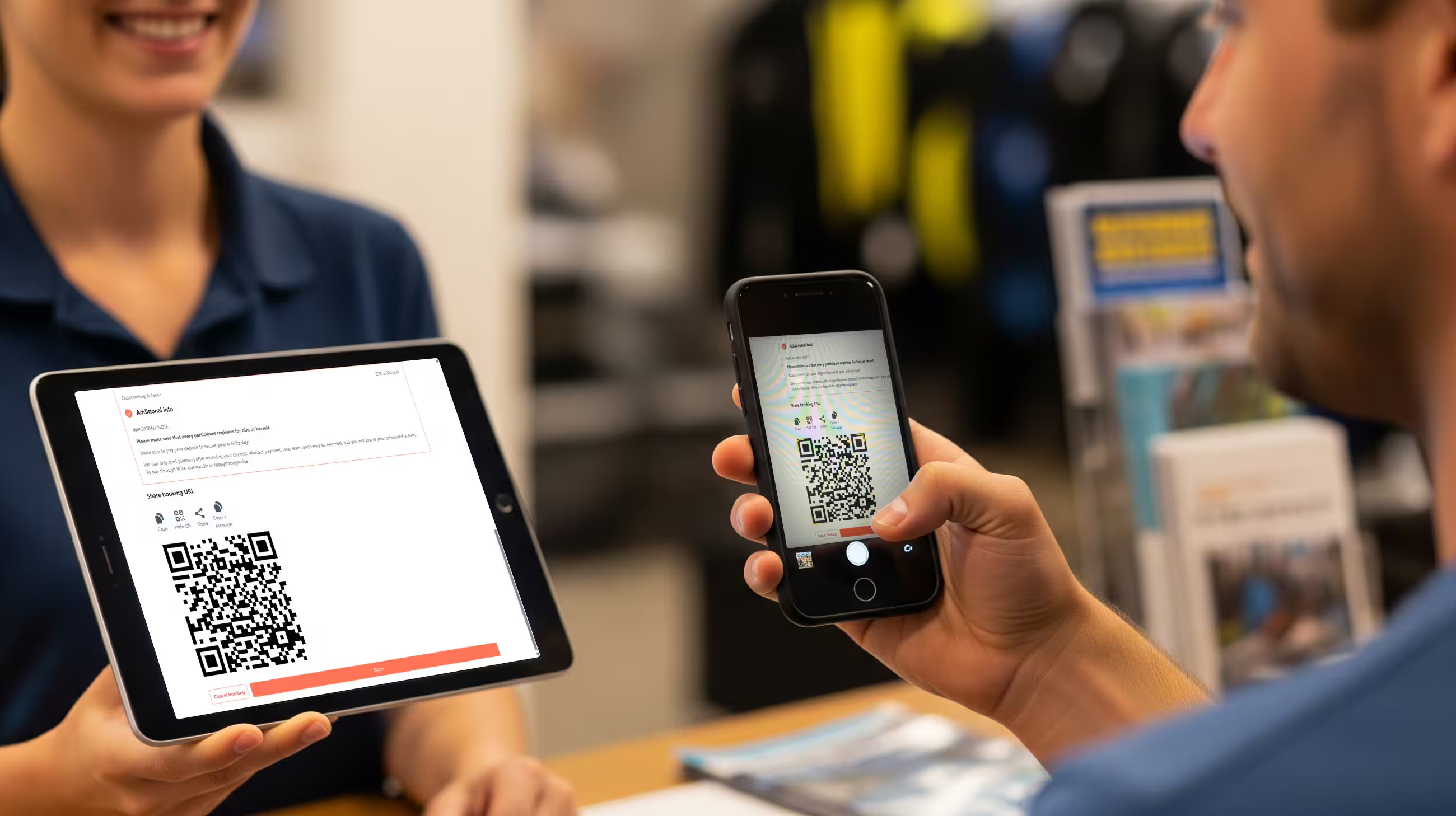
Diversdesk allows liveaboard operators to accept online bookings directly through their own website. Guests can book a liveaboard trip, choose their cabin, add diving activities, and select extra products or services within the same booking process.
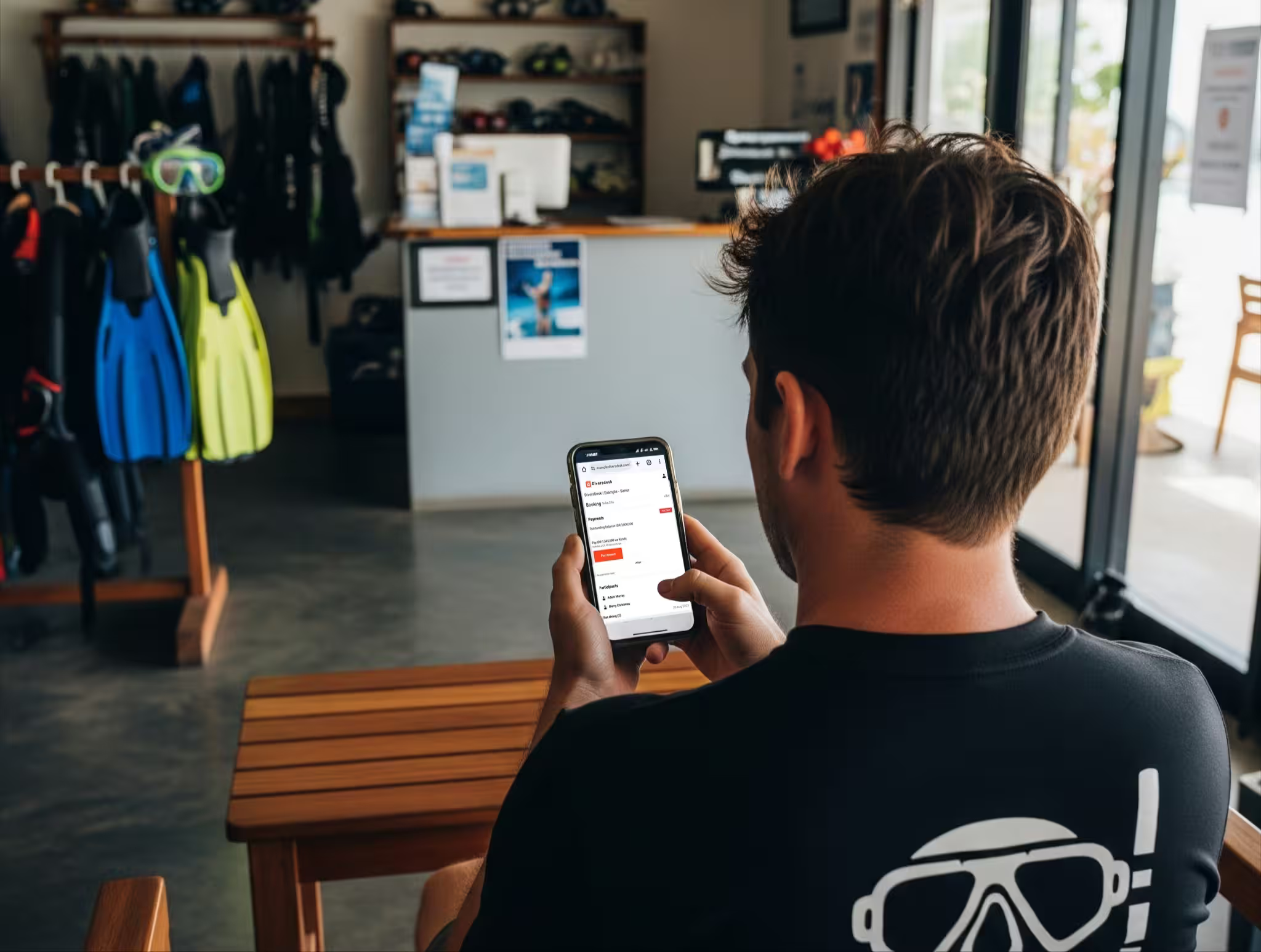
In my experience, the liveaboard trips are often booked months in advance, operators may collect payments in several stages. Guests can pay a deposit first and complete the remaining balance closer to the departure date. I think, by keeping each payment connected to the booking, the team can easily track deposits, outstanding balances, and completed payments for every trip. This is especially useful when managing multiple liveaboard departures at the same time.
Sell Retail Products and Additional Services
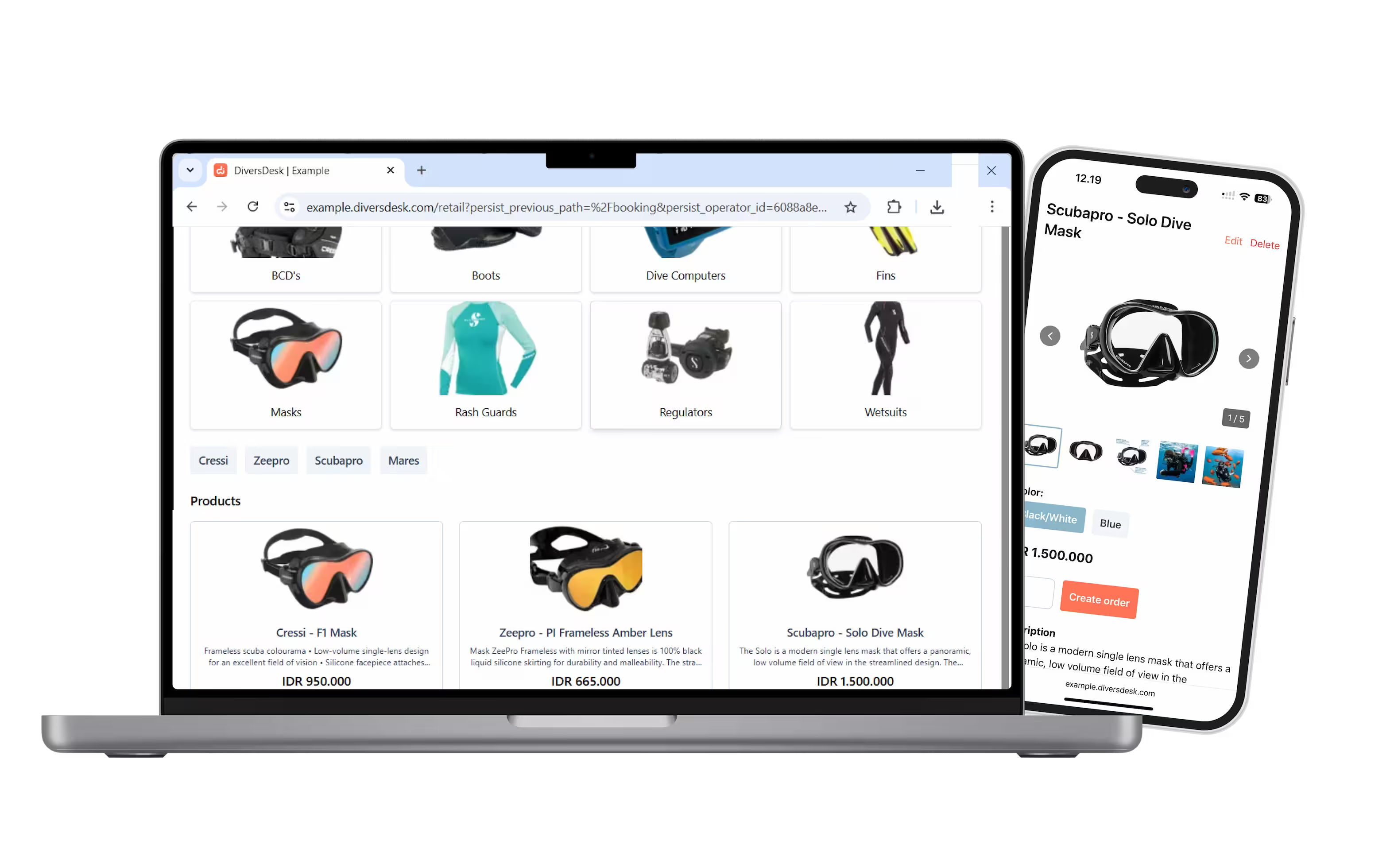
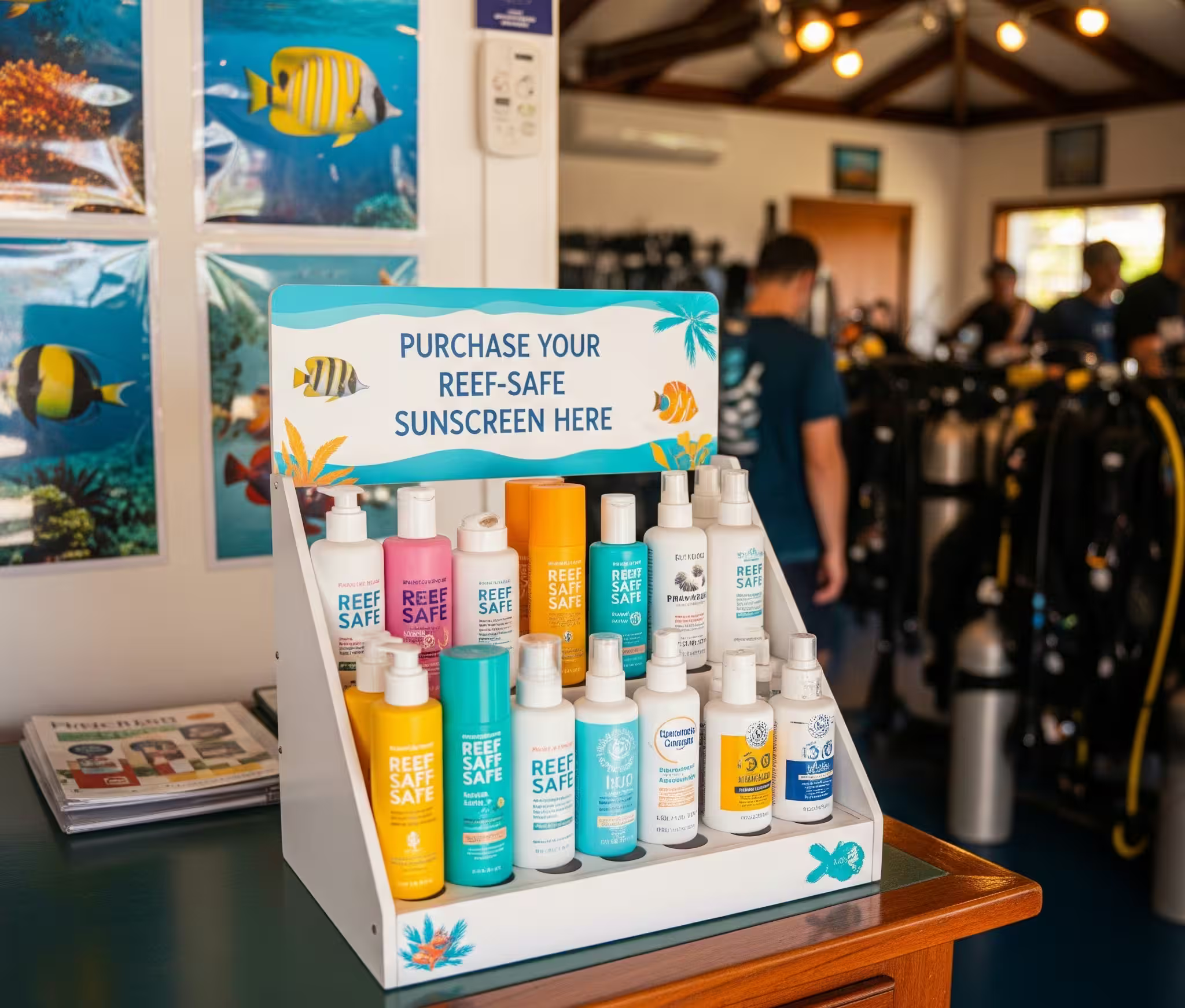
A liveaboard booking often includes more than the main trip package. Guests may add Nitrox, airport transfers, private guiding, diving courses, merchandise, marine park fees, rental equipment, snacks, or beverages available onboard.
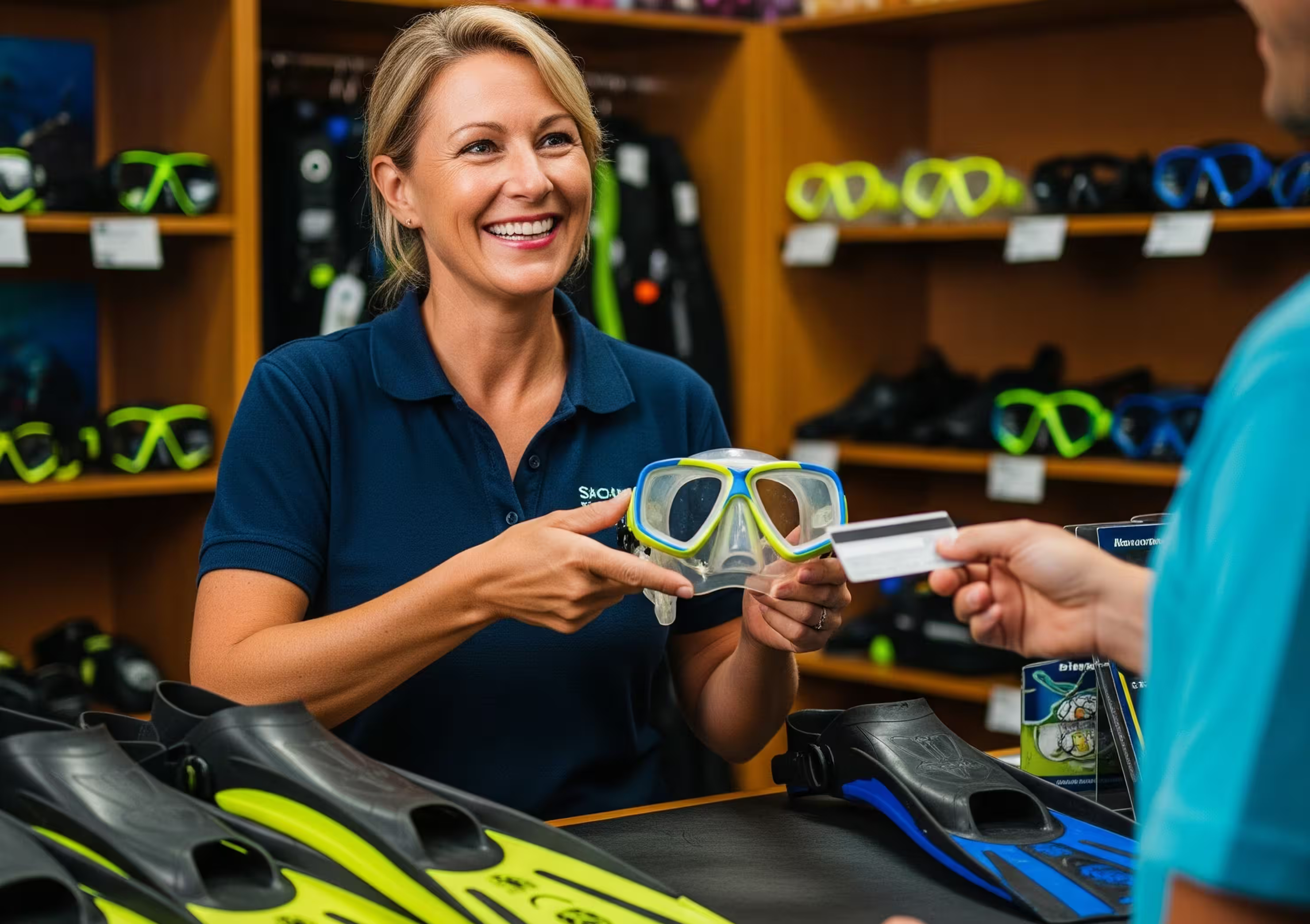
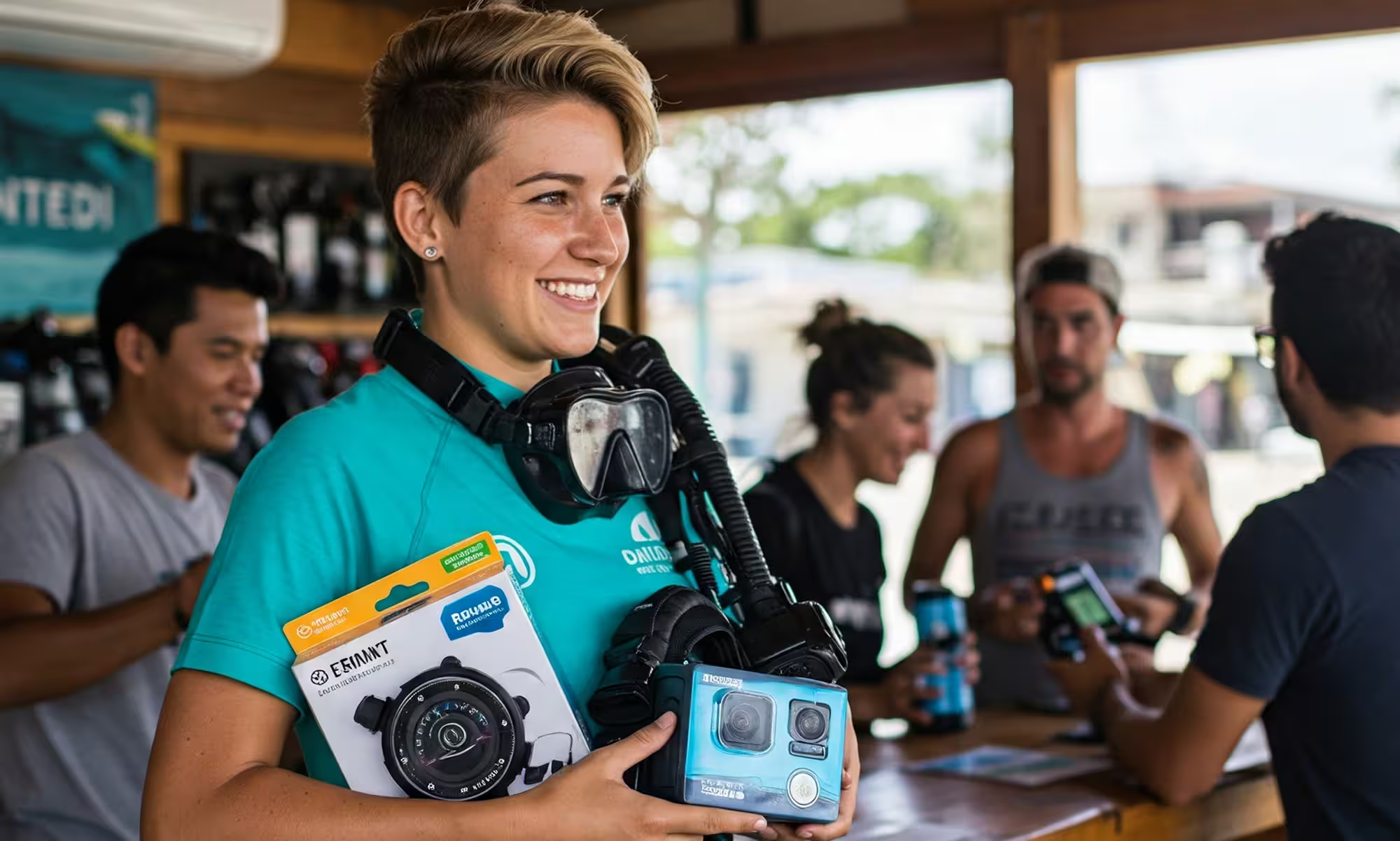
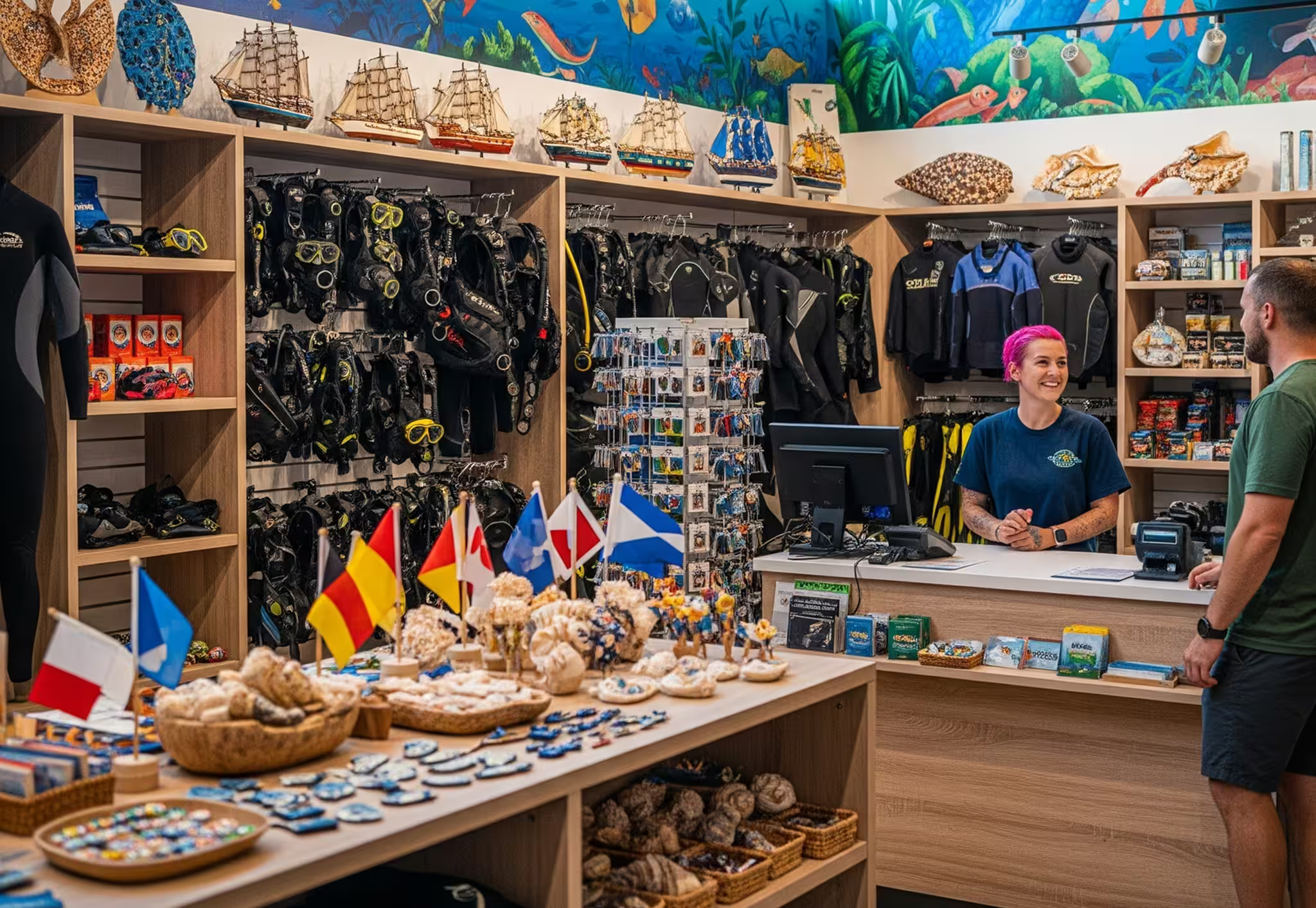
With the retail feature in Diversdesk, liveaboard operators can add these extra products and services directly to the guest’s booking. This makes it easier to manage additional sales without relying on separate spreadsheets, manual notes, or multiple payment links.
Keeping everything in one booking also gives the team a clearer overview of what each guest has purchased, what has been paid, and what still needs to be prepared before departure or provided during the trip.
Manage Rental Equipment
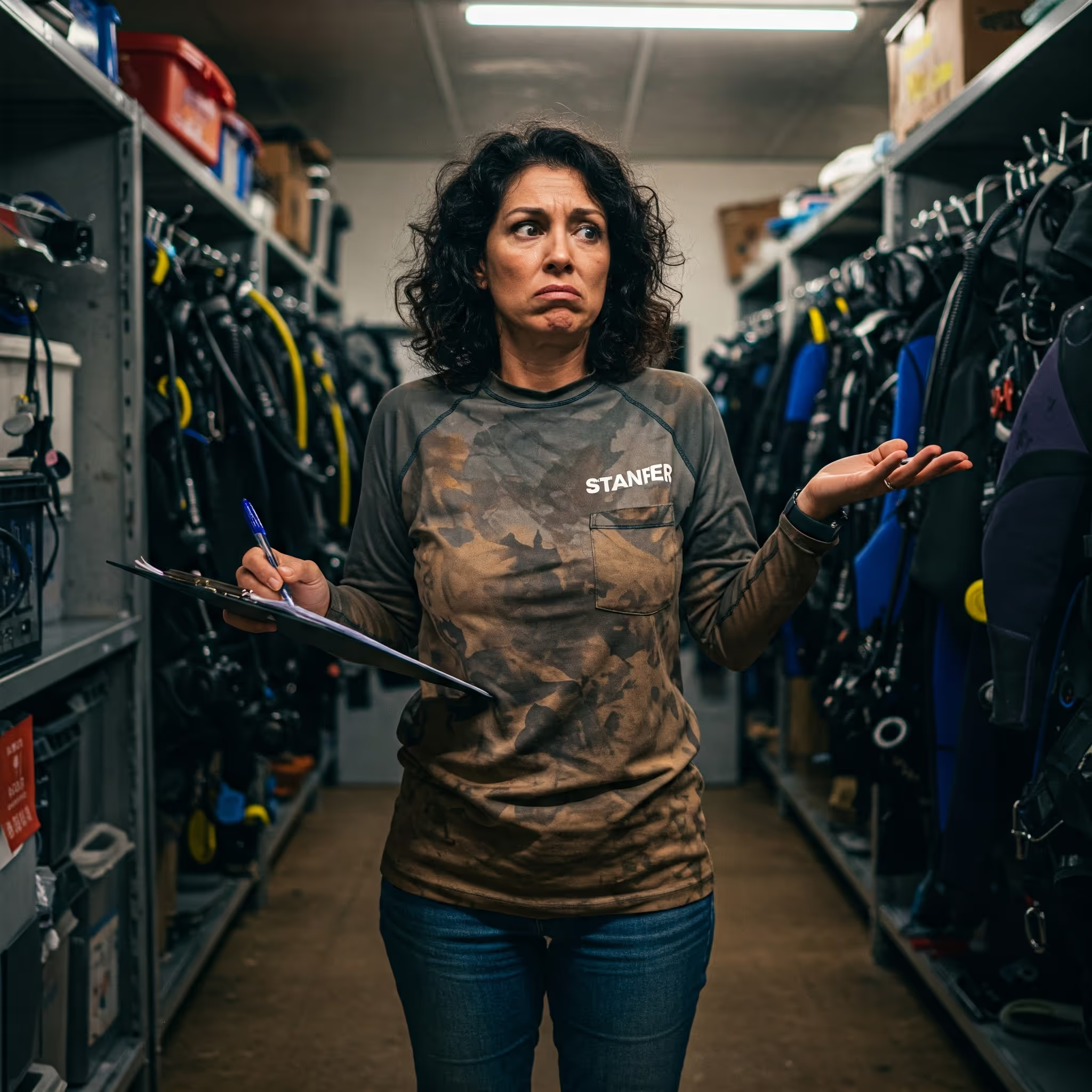
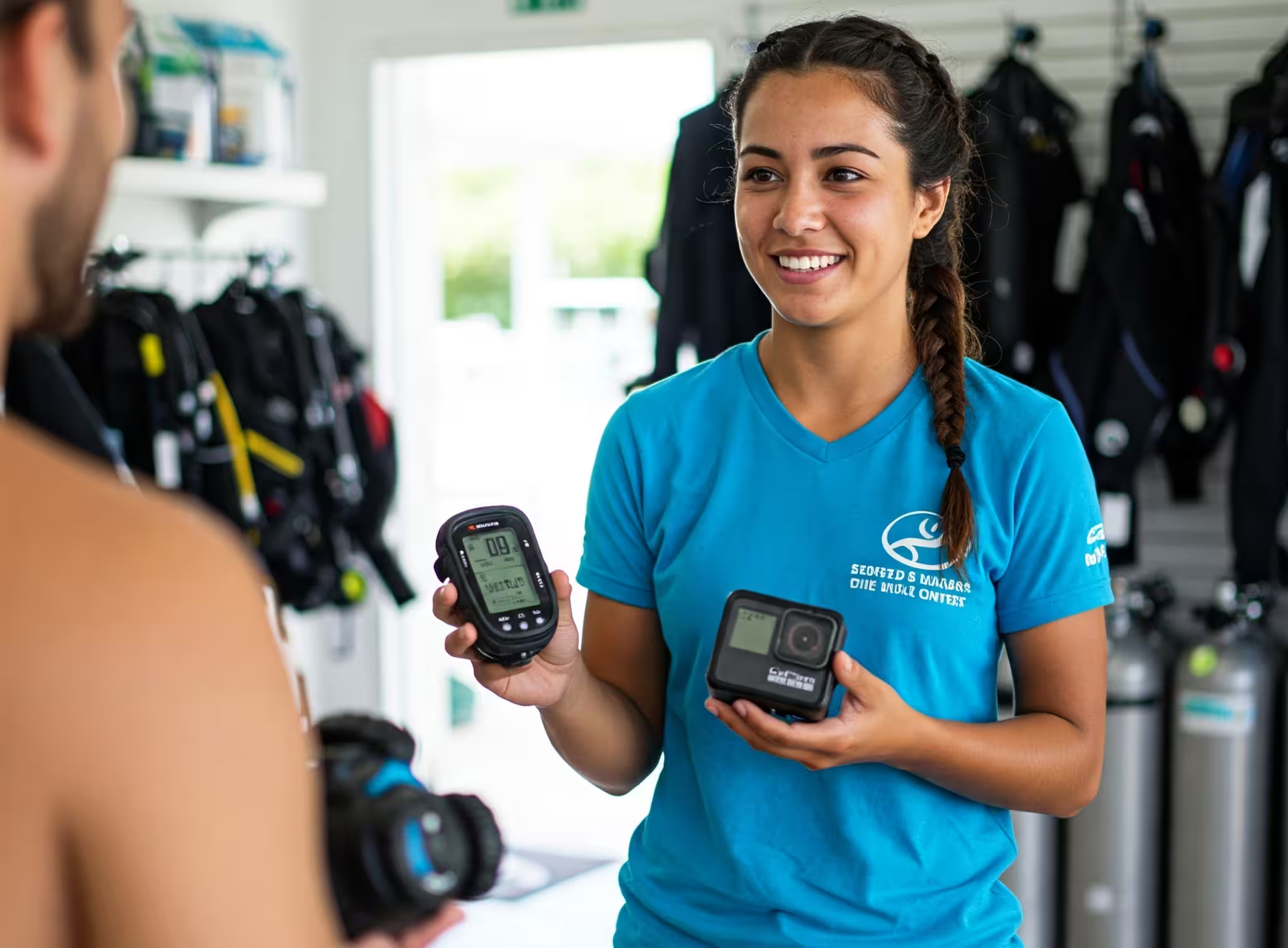
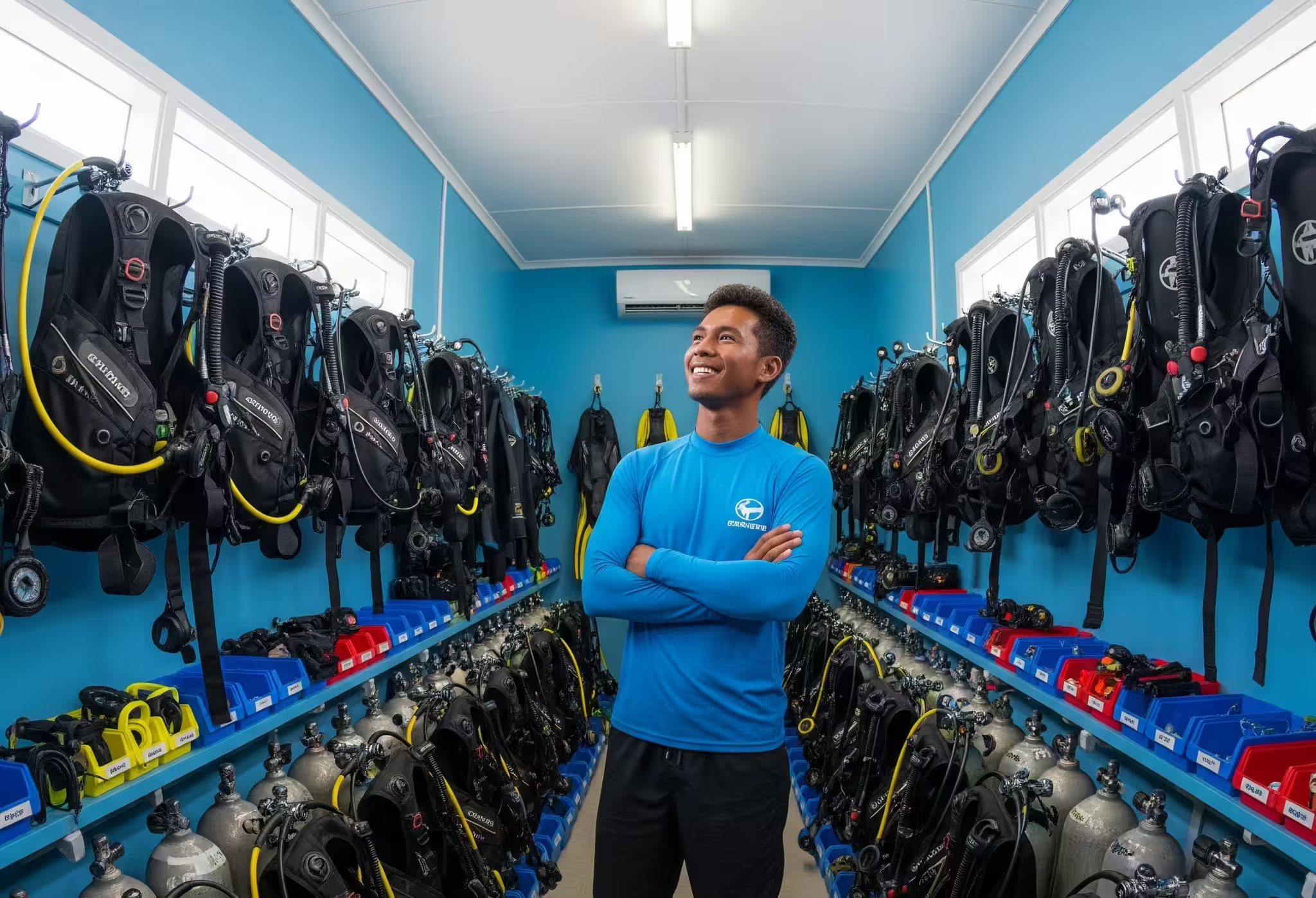
In my opinion, rental equipment is an important part of the liveaboard operations. Before departure, the team may need to prepare BCDs, regulators, wetsuits, fins, masks, dive computers, tanks, and weights for several guests at once.
With Diversdesk, rental requirements and equipment sizes can stay connected to each guest’s registration. This helps the team organise the correct gear before the trip, rather than collecting the information at the harbour or checking it manually across different forms. After the trip, the team can also review the rental records to check which equipment was assigned to each guest and confirm that everything has been returned.
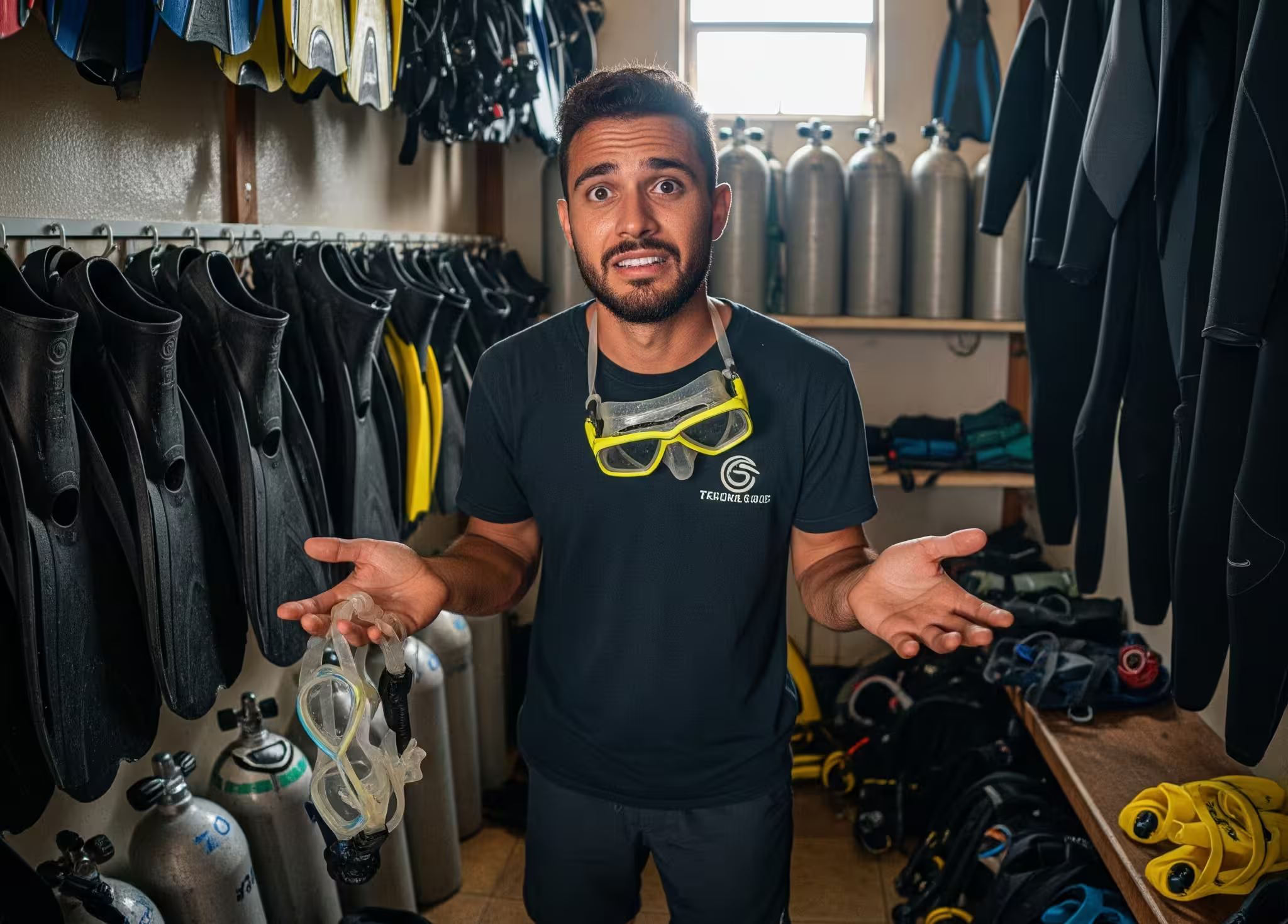
It may seem like a small detail, but finding out just before departure that several guests need the same wetsuit size is not exactly the smooth start anyone is hoping for.
Use Digital Registration Forms and Waivers
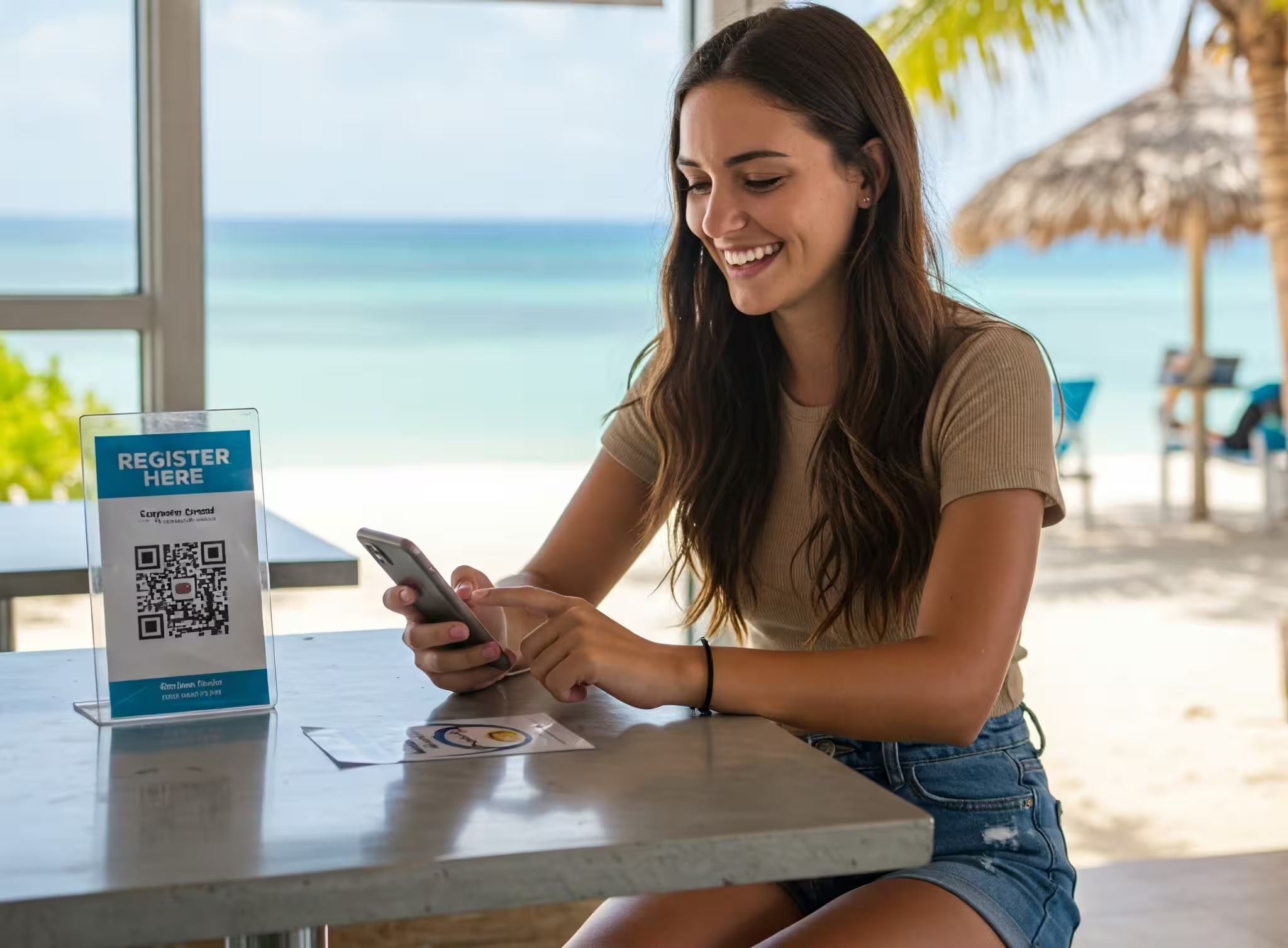
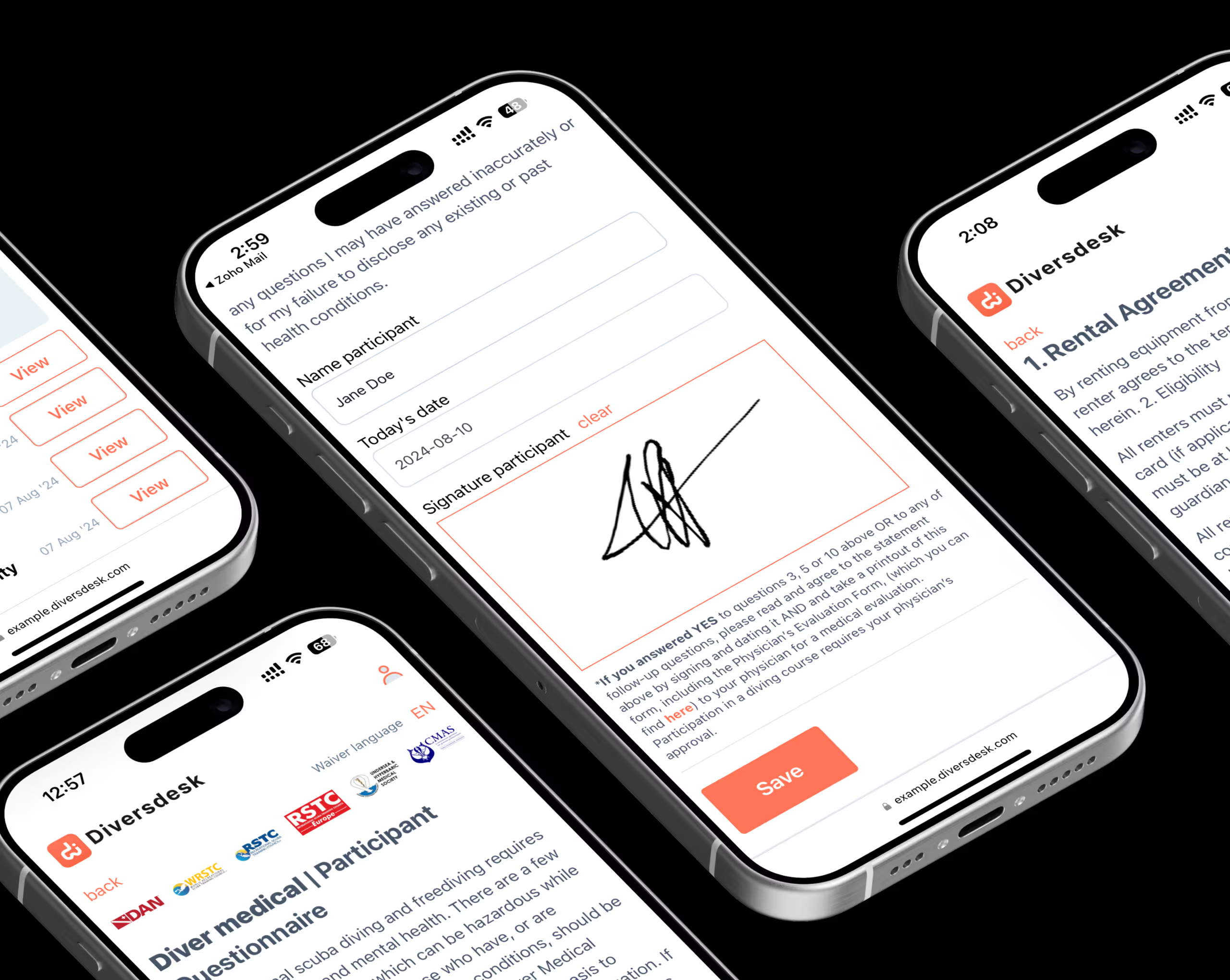
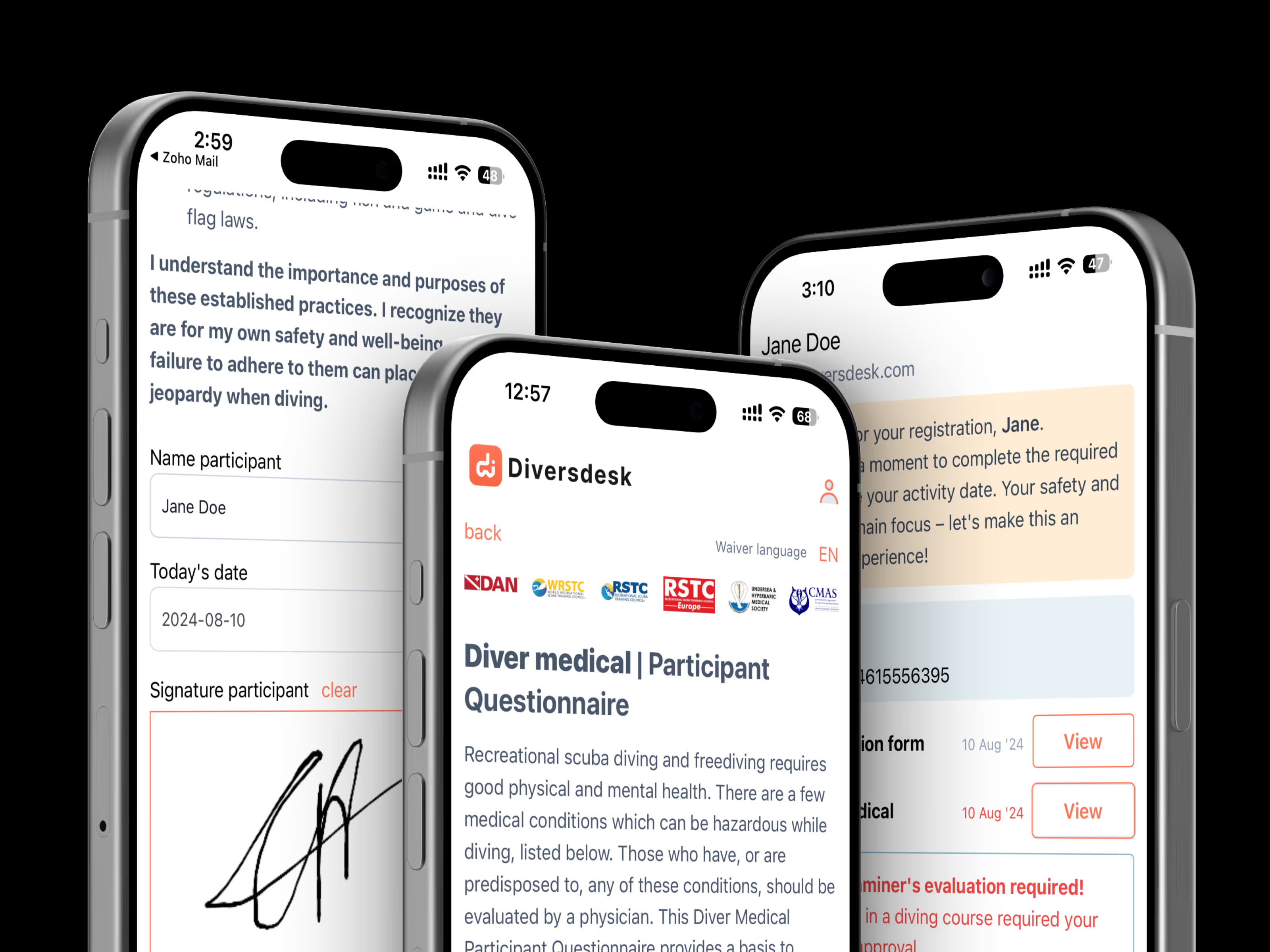
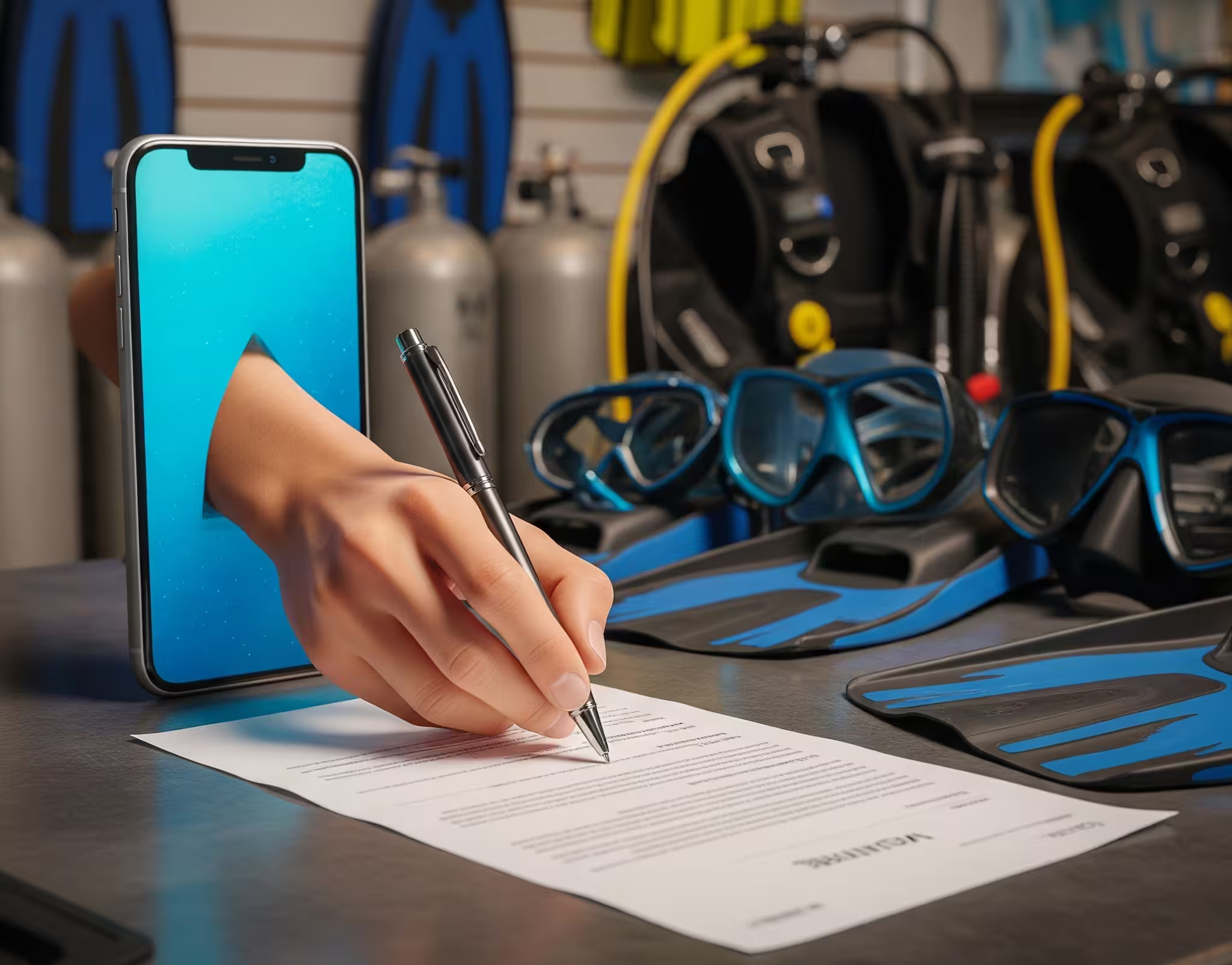
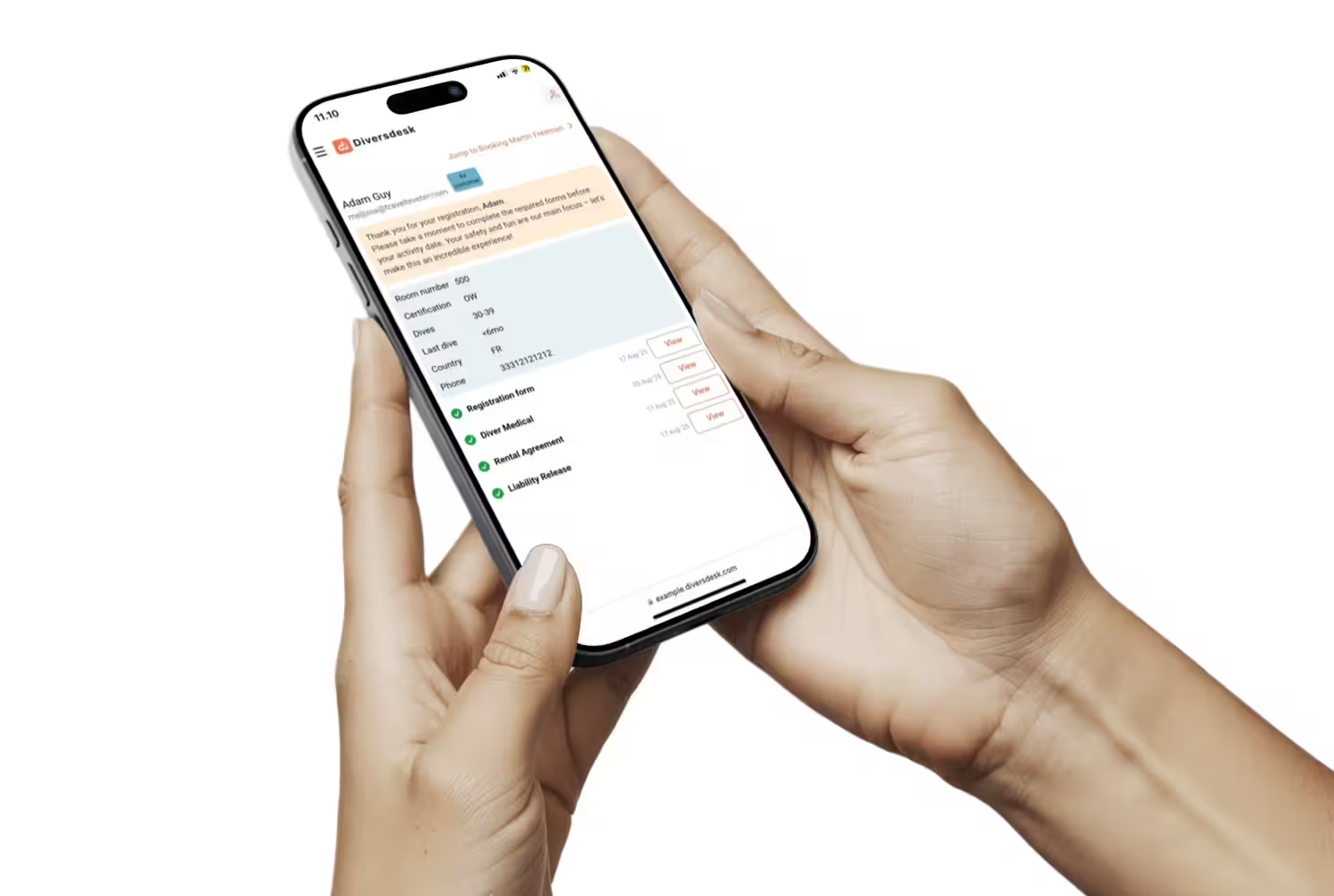
As we mentioned in our previous article, Diversdesk keeps guest registration forms and waivers fully digital, making the process easier for both customers and liveaboard operators. Guests can complete their personal details, emergency contacts, certification information, medical details, equipment sizes, and signatures before the trip, without needing to fill in paper forms onboard.
For operators, customer information is stored securely in the cloud and can be found quickly using search. Instead of going through folders, printed forms, or separate files, the team can access the guest’s details from one place whenever they need them.
This makes the whole process faster, more organised, and much easier to manage before, during, and after the trip.
Adjust the Planner to Each Trip Schedule
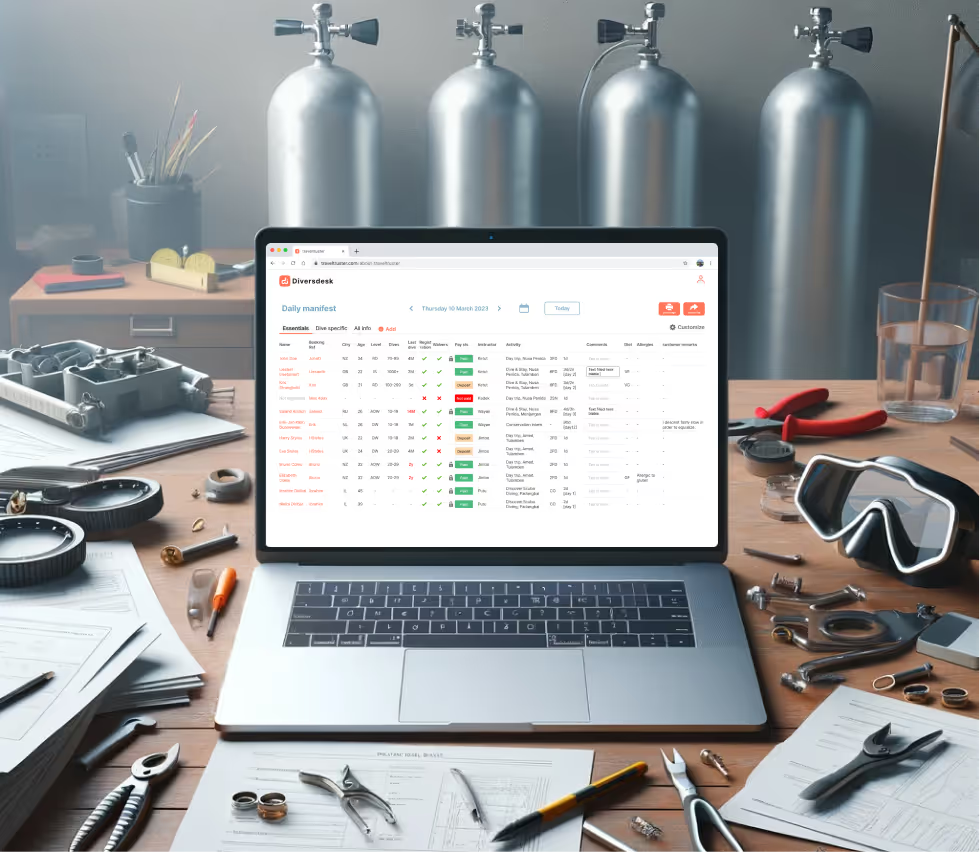
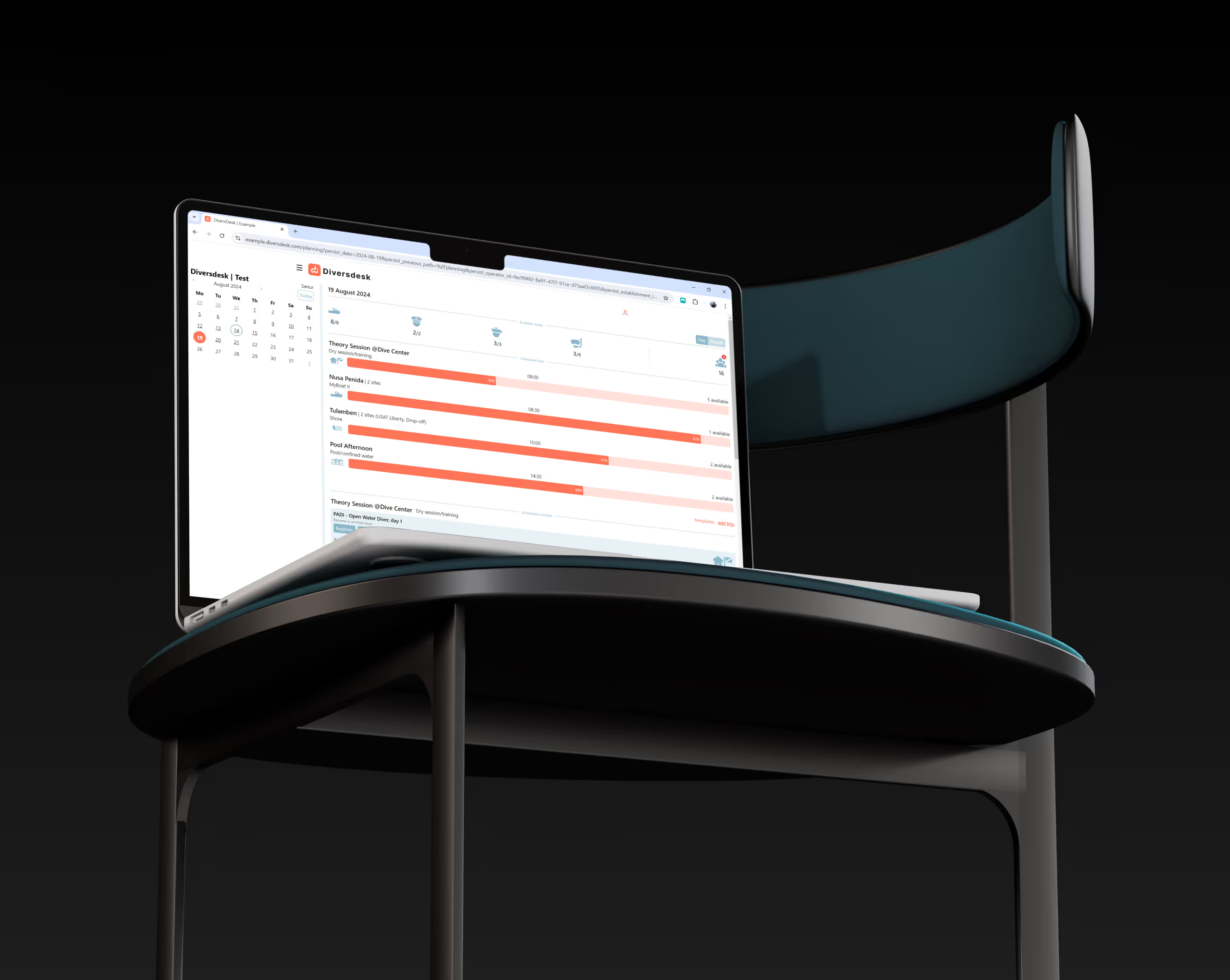
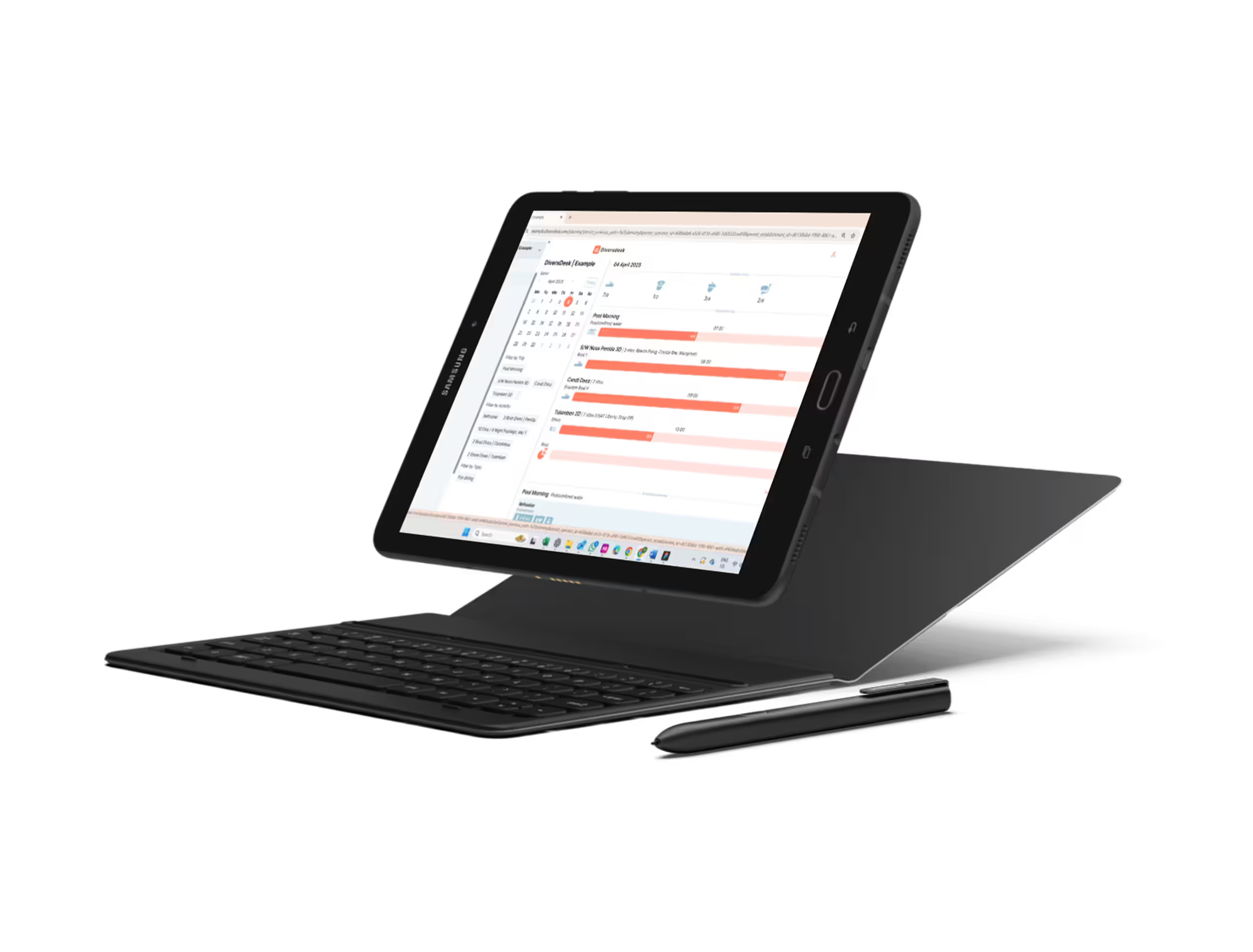
A liveaboard does not always follow the same daily schedule. Each trip may have a different destination, duration, itinerary, staff team, guest group, and number of dives. The Diversdesk planner can be adjusted according to the schedule of each trip. Operators can organise dives, courses, night dives, excursions, and other activities across multiple days.
This is one of the clearest differences between a basic booking platform and an operational management system. A booking platform shows who reserved the trip. A planner helps the team organise what actually happens during it.
How Diversdesk Compares with Other Booking Management Systems
There are several good booking and property management platforms available, but most are designed primarily for accommodation or general activities.
-
Cloudbeds, Mews, and Little Hotelier are strong options for hotels and accommodation providers. They are useful for managing rooms, reservations, payments, and distribution through online travel agencies. However, they are not specifically designed around diver certifications, rental equipment, waivers, or dive planning.
-
Guesty is mainly focused on short-term rentals and property management. It may be useful for managing accommodation listings and guest communication, but liveaboard operators would likely still need additional tools for the diving side of the business.
-
Bookinglayer is a closer comparison because it supports accommodation, activities, packages, waivers, and planning. It is suitable for adventure businesses such as surf camps, retreats, and tour operators.
-
ScubaCloud and DiverDash, both are designed specifically for dive-centre management. However, based on their publicly listed features, neither currently appears to offer a dedicated accommodation or cabin management system
The difference is that Diversdesk is designed specifically around dive operations. It connects the booking side with the practical requirements of managing divers, equipment, activities, and dive schedules.
Final Thoughts: Why Diversdesk Can Be a Better Fit for LiveaboardsFinal Thoughts
In my opinion, a liveaboard is more than a boat with cabins. It combines accommodation, diving activities, equipment, payments, guest management, and trip planning within one operation. Because all of these areas need to work together, a basic reservation platform may only cover part of what a liveaboard operator actually needs.
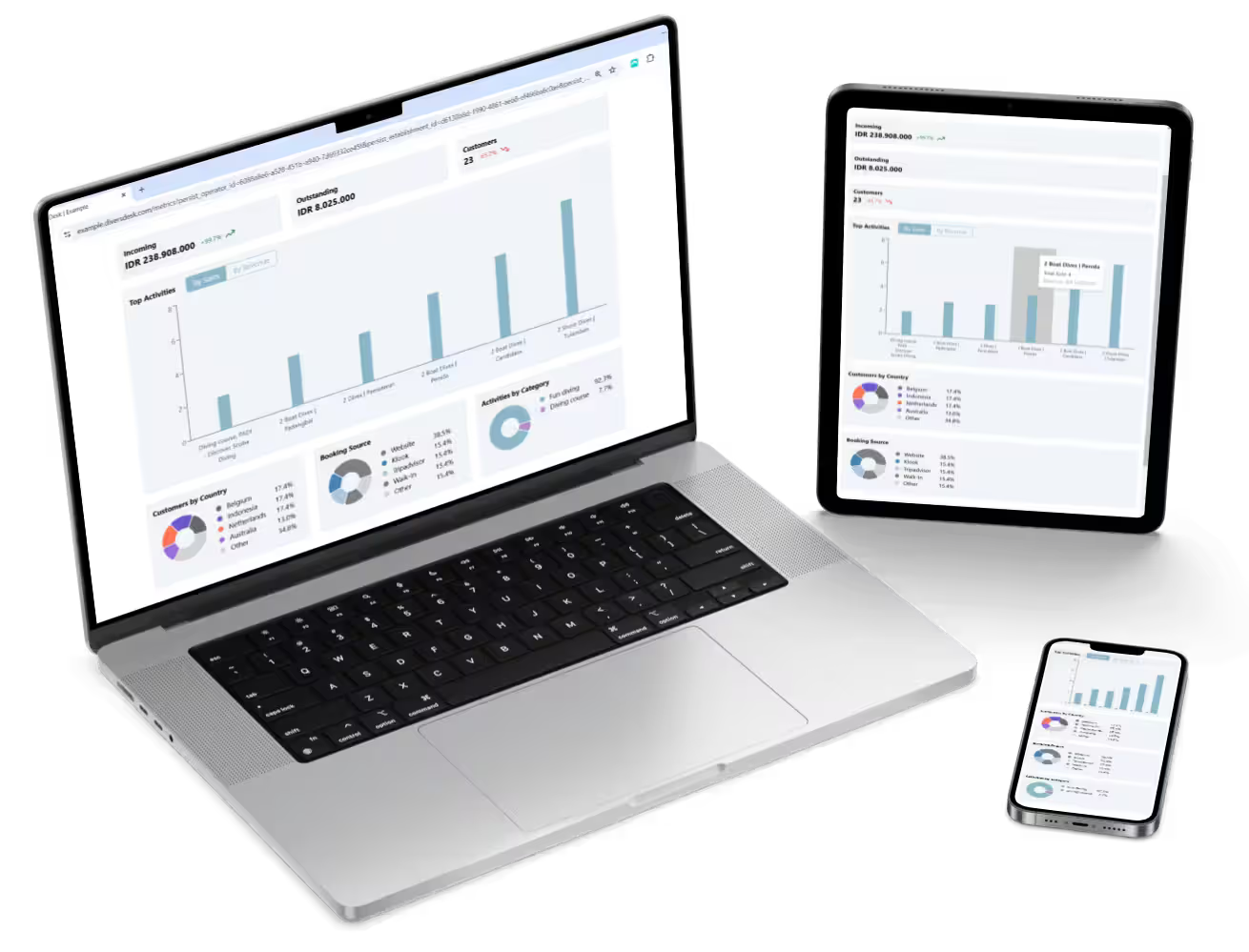
Diversdesk brings these processes into one connected system. Operators can manage cabins, online bookings, retail products, rental equipment, digital forms and waivers, customer records, payments, and trip schedules without relying on several separate tools. It does not only help manage the booking, it also supports the diving operation behind it.
In my view, although Diversdesk is often associated with dive centres and dive resorts, it can also be adapted for liveaboard businesses. The system can be set up around specific departure dates, cabin options, itineraries, and daily activities, making it a practical all-in-one liveaboard management system for operators who want both the booking and operational side in one place.